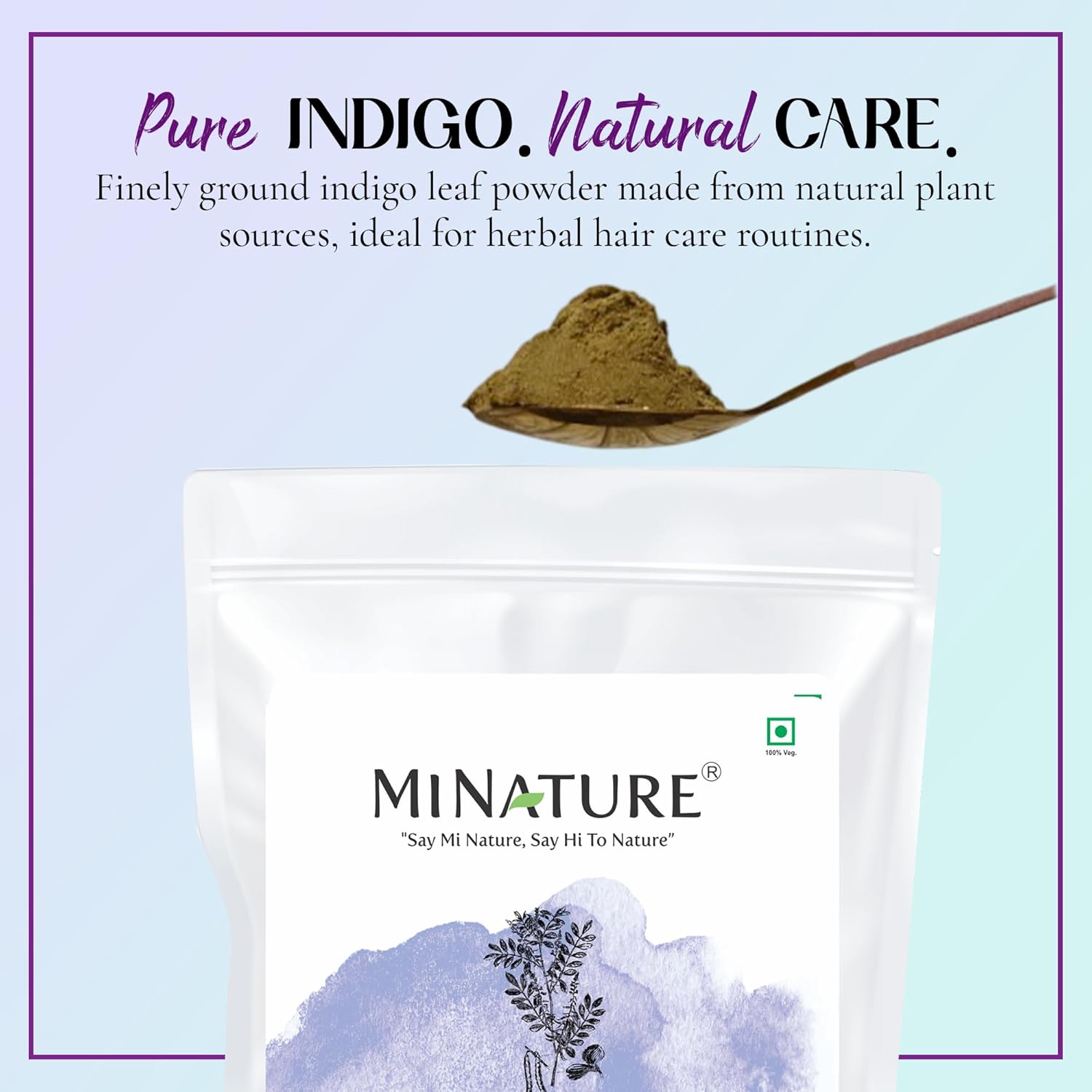
Natural indigo is one of the most storied colorants in textile history — used for thousands of years to produce the deep blue found in everything from Japanese shibori fabric to West African strip-cloth. At its core, indigo is a pigment (a color particle that doesn’t dissolve in water on its own) rather than a true dye salt. That distinction matters because it determines how indigo has to be applied: it needs to go through a chemical process called reduction — removing oxygen from the indigo molecule so it temporarily becomes soluble — before it can bond to fiber. When fabric lifts out of the dye bath and hits open air, the indigo oxidizes back into its insoluble form and locks onto the cloth. That visible color change from yellow-green to blue as fabric emerges from the vat? That’s oxidation happening in real time.
If you’ve been researching indigo and found yourself staring at both a bag of natural indigo powder and a recipe for a fermentation vat, this article is written for you. The two approaches are not interchangeable. They have different cost structures, different process demands, different results, and different failure modes. Below, we’ll break down what each format actually is, where the tradeoffs land, and how to decide which one belongs in your current practice.
What “Natural Indigo Powder” Actually Is (and Isn’t)
Natural indigo powder — the kind sold by Dharma Trading Co. and PRO Chemical & Dye, among other suppliers — is dried, ground indigo pigment extracted from Indigofera tinctoria or related plant species. It has been processed and concentrated, which is why it looks like a fine, dark blue-black or brownish-blue powder rather than green leaf material.
What the powder gives you: Convenience and shelf stability. A sealed container of natural indigo powder will keep for years without degrading, making it a practical stock item. It’s also a measurable, consistent starting point — you know roughly how much indigo you’re working with per gram, which matters when you’re trying to reproduce a depth of shade across batches.
What the powder does not give you: A ready-to-use dye bath. This is the piece that trips up a lot of practitioners moving into natural dyes from fiber-reactive territory. With Procion MX, you dissolve the powder in warm water and you have a functional dye solution. Indigo powder doesn’t work that way. To make indigo dye fabric, the powder still has to be chemically reduced — its oxygen content lowered — inside a prepared vat. The powder is a raw material, not a finished product.
Most beginner and intermediate indigo kits solve this by bundling the powder with a reducing agent (commonly sodium hydrosulfite, also called “hydros”) and an alkali (typically soda ash or pickling lime) that together create the chemical environment for reduction. The 1-2-3 Vat formulation popularized in many studio curricula uses this synthetic-reduction approach, as does the pre-measured indigo kit documentation published by Dharma Trading Co. It works — and it works reliably — but it is a synthetic reduction vat, not a fermentation vat, even when it uses natural indigo powder.
This is a meaningful distinction, not a marketing quibble.
The Fermentation Vat: What You’re Actually Comparing Against
A fermentation vat — sometimes called a living vat — does not use synthetic reducing agents. Instead, it uses biological fermentation to create a low-oxygen, alkaline environment in which indigo is naturally reduced by microbial activity. Classic recipes use combinations of organic matter (wheat bran, dates, madder root, figs) as fermentation fuel, lime (calcium hydroxide) as the alkali, and sometimes an iron-rich water source or iron mordant to help stabilize the chemistry.
The most commonly referenced historical and studio-contemporary formulations include the wheat bran/lime vat, the fructose/lime vat (a quicker-starting modern variant), and the classic iron vat. The Surface Design Association’s journal coverage of natural dye practice — published through surfacedesign.org — has noted that the fermentation vat has seen significant revival among studio dyers specifically because many practitioners describe its results as having greater depth and warmth in the blue than synthetic-reduction vats. This is reported qualitative experience across a range of studio practitioners, not a quantified measurement.
What the fermentation vat gives you: A genuinely natural process with no synthetic chemistry inputs. For makers whose clients, brand story, or personal ethics require fully natural dyeing, the fermentation vat is the only credible option. It also tends to produce a slightly warmer, more complex blue, and a well-maintained vat can theoretically be kept alive and used indefinitely — adding indigo and nutrients as needed.
What the fermentation vat costs you: Time, attention, and a steep learning curve for troubleshooting. A healthy fermentation vat typically takes 3–7 days to establish before it’s ready to use. It needs to be kept within a fairly narrow temperature window — 70–90°F is the range cited consistently in studio documentation, and fiber arts editorial coverage at Interweave has identified cold studios as one of the most common reasons beginner vats fail to establish. The vat also needs to be “bloomed” — gently stirred and rested — before each dye session. And if it goes wrong (goes “sick” or “off”), diagnosing and correcting it requires understanding the chemistry well enough to read what the vat is telling you through its color, smell, and surface behavior.
Comparing Your Options: Three Practitioner Scenarios
The decision between indigo powder with synthetic reduction, a full fermentation vat, or a hybrid approach is best understood through the lens of how you actually work. Here are three distinct practitioner profiles, each representing a different tier of need and investment.
H3: The Session-Based Studio Dyer
You dye on a schedule — weekend sessions, occasional workshop runs, or production batches timed to a selling season. Between sessions, your studio may be unheated, and you’re not in a position to monitor a living chemistry system between uses. Reliability and repeatability matter more than process purity.
The right tool: Natural indigo powder paired with a synthetic reduction kit (hydrosulfite + soda ash). Dharma Trading Co.’s product documentation for their pre-measured indigo kit walks through the setup process clearly and is a useful reference for first-time vat builders working in this format. PRO Chemical & Dye’s published technical notes on vat dye reduction chemistry provide useful background on why pH and temperature control in synthetic reduction vats is achievable with basic equipment. Entry cost runs approximately $18–$45 for a starter kit; bulk components from either supplier bring the per-session cost down to roughly $2–$6 once you’ve confirmed your process.
Best for: Production yardage, consistent depth of shade across batches, session-based work without ongoing studio maintenance.
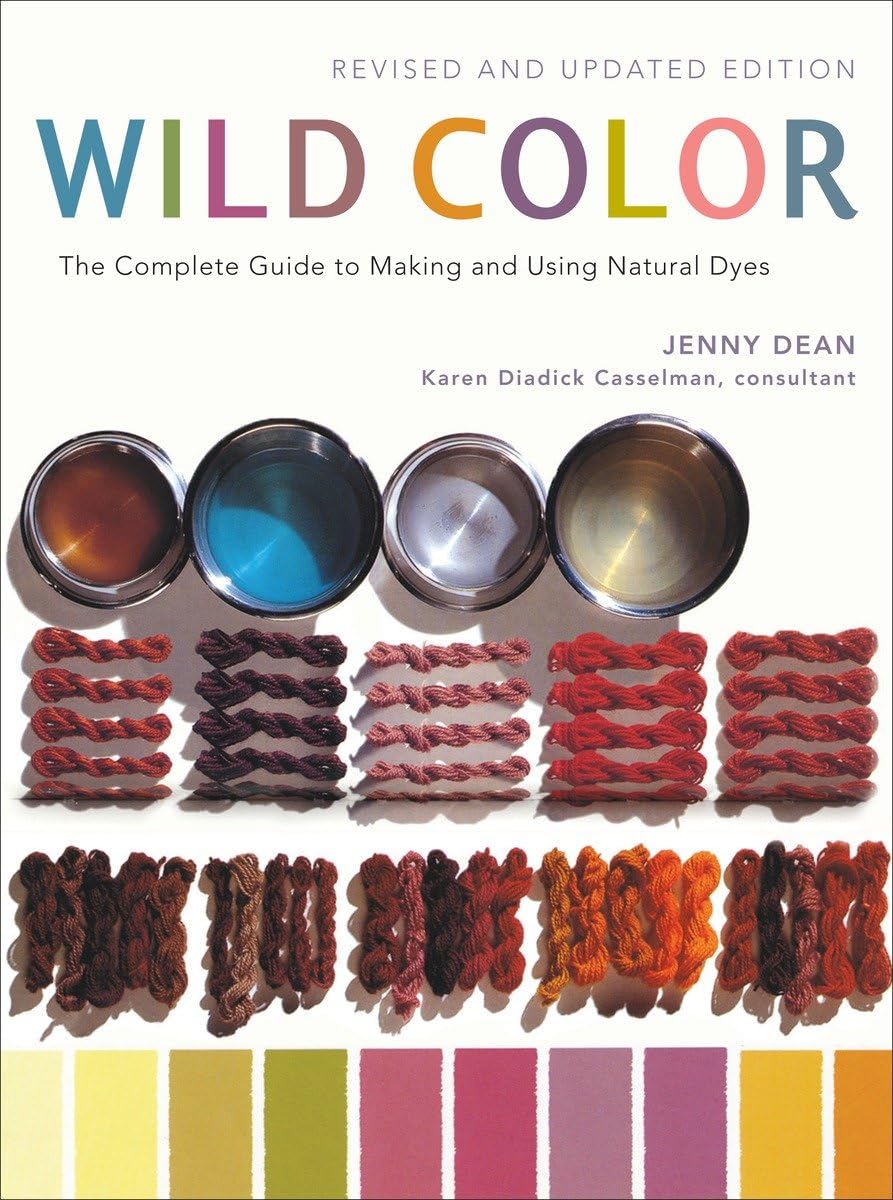
Wild
In stock on Amazon
Check price on AmazonH3: The Natural-Process Practitioner
Your work is positioned around full natural inputs — you’re teaching workshops where the complete natural dye experience is the point, selling to buyers who care about provenance, or maintaining a practice built around historical and ecological integrity. Synthetic chemistry inputs, even combined with natural indigo powder, don’t meet that standard for your context.
The right tool: A fermentation vat built from organic materials — wheat bran or fructose as fermentation fuel, pickling lime as alkali, natural indigo powder as colorant. Budget 3–7 days for initial vat establishment before your first dye session. First-setup material costs typically run $40–$90 depending on whether you’re sourcing lime locally or through a dye supplier. Interweave’s fiber arts editorial coverage of studio-scale natural dye practice consistently notes that practitioners who succeed with fermentation vats are those who build them into a regular rhythm — using the vat three or four times a week keeps it healthier than occasional check-ins. Surface Design Association journal coverage of fermentation vat practice (available through surfacedesign.org) is among the most rigorous practitioner-facing documentation on diagnosing and correcting an off vat.
Best for: Workshop teaching, brand storytelling centered on natural process, makers whose practice demands no synthetic inputs.
The
$25.49
In stock on Amazon
Check price on AmazonH3: The Hybrid Practitioner
You want real indigo results with reliable consistency for production work, but you’re also interested in deepening your practice over time toward full natural process. You don’t want to choose one approach permanently — you want to use the right tool for each job.
The right tool: Both, used in parallel for different purposes. Run a synthetic reduction vat (natural indigo powder + hydrosulfite + soda ash) for production, sampling, and any session where reliability matters more than process purity. Build and maintain a fermentation vat as a parallel practice during favorable seasons — spring through early fall in an unheated studio, or year-round with climate control. This is a common intermediate-to-advanced practitioner pattern reported in both Interweave studio features and Surface Design Association journal coverage of working dyers. It isn’t a compromise; it’s deliberate tool selection.
Per-session material costs at this level run roughly $3–$8 for the synthetic vat side and $5–$15 for fermentation vat maintenance, depending on your usage frequency and whether you’re adding indigo by the gram or the ounce.
Best for: Makers building toward full natural practice, practitioners with both production and artisan-market work, studios running both client and personal projects simultaneously.
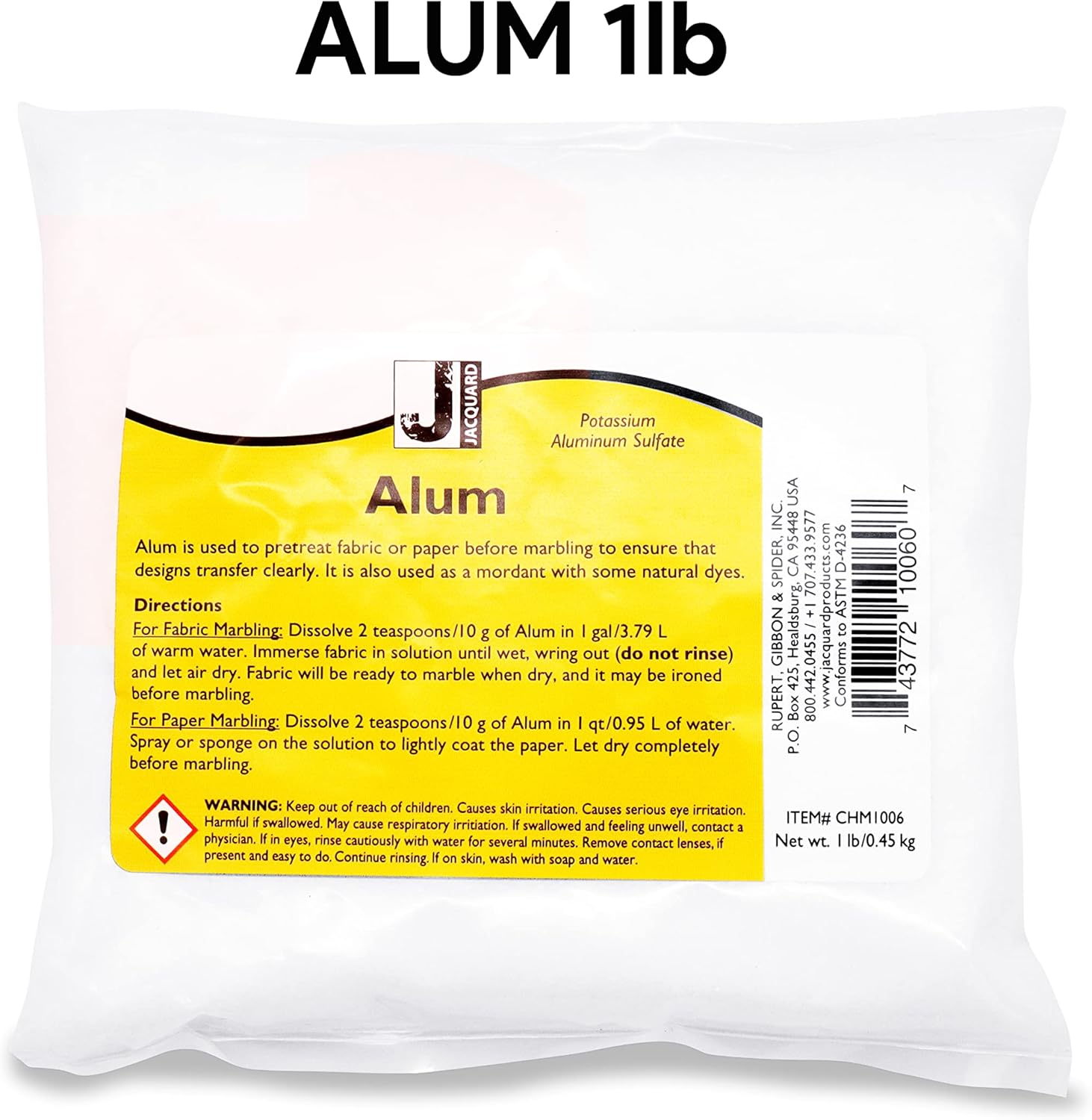
Jacquard
$13.93
In stock on Amazon
Check price on AmazonFiber Compatibility and Colorfastness: What Stays Constant
Regardless of which reduction method you use, indigo dye performance across fiber types follows the same rules. Indigo bonds mechanically to fiber through oxidation and physical trapping rather than through the covalent chemical bond of a fiber-reactive dye like Procion MX. This is why indigo denim fades — the dye is not chemically grafted to the cotton molecule the way a fiber-reactive dye would be.
Cellulose fibers (cotton, linen, hemp, rayon) are the traditional home for indigo. They accept it well, and the surface-level bond that causes fade is also what gives indigo-dyed denim its characteristic wear pattern. For makers who want that evolution, it’s a feature, not a flaw.
Protein fibers (wool, silk) take indigo beautifully, often with a slightly different surface quality. Silk in particular produces a luminous result. pH management matters more here — the high-alkali environment of some vat recipes can be harsh on wool, so lime-based fermentation vats need temperature and pH monitoring to avoid fiber damage.
Synthetic fibers do not accept natural indigo. Polyester, nylon, and acrylic require disperse dyes. No reduction process changes this fundamental fiber chemistry.
Colorfastness with indigo is moderate by design. Dharma Trading Co.’s published product documentation on indigo colorfastness addresses this directly — they are candid that indigo is not in the same colorfastness category as fiber-reactive dyes on cotton, and reading that documentation before making commitments to clients about wash durability protects both parties. A standard aftercare approach recommended across studio references includes a first wash in cool water with pH-neutral soap, cold-water washes thereafter, and avoiding prolonged direct sun exposure.
The Decision Rule
If you’re standing at the purchase decision right now, here’s the clean version:
If your priority is reliability, reproducibility, and session-based flexibility — buy natural indigo powder and work with synthetic reduction chemistry (hydrosulfite + soda ash, or a pre-measured kit from Dharma Trading Co. or PRO Chemical & Dye). Scale up to bulk components once you’ve confirmed your process is consistent.
If your priority is process integrity, full natural inputs, or a practice you want to deepen over time — build a fermentation vat, budget the 3–7 day startup window into your first project timeline, and treat the learning curve as part of the investment. Surface Design Association journal coverage and Interweave studio features are the most practitioner-useful references for getting that vat started correctly.
If you’re not sure yet — start with the synthetic reduction vat using natural indigo powder. It gives you real indigo results, real process experience, and a foundation you can build on. The fermentation vat will still be there when the practice calls for it.
Natural indigo is one of the few materials in textile making that rewards patience with the process itself. Which version of that process belongs in your studio right now is a practical question — and one worth answering before you buy.