Natural dyeing is the practice of extracting color from plants, minerals, and other organic sources — and then chemically anchoring that color into fiber so it doesn’t wash away the first time you launder it. If you’ve only worked with synthetic fiber-reactive dyes like Procion MX, natural dyeing can feel like a completely different discipline. The chemistry is older, slower, and more variable, but the results — earthy, complex, often impossible to replicate with a synthetic palette — are worth the learning curve. The catch is that plant color doesn’t bond to fiber on its own. You need mordants (metal salts that act as a chemical bridge between dye and fiber) and often tannins (plant-based compounds that help mordants grip protein-poor fibers like cotton). Get those two inputs right, and your natural colors will outlast a lot of synthetic work. Skip them, and you’ll spend real money on dye extracts that wash out in a season.
This guide is for dyers who are ready to invest in a proper natural dye setup — not just simmer onion skins and call it a day. We’ll cover which mordants to buy first, how tannins change the equation depending on your fiber, and which extract dyes are worth purchasing now versus foraging or growing later. The math is here too, so you can decide what to stock before you commit to a full studio buildout.
Mordants First: The Foundation Your Color Sits On
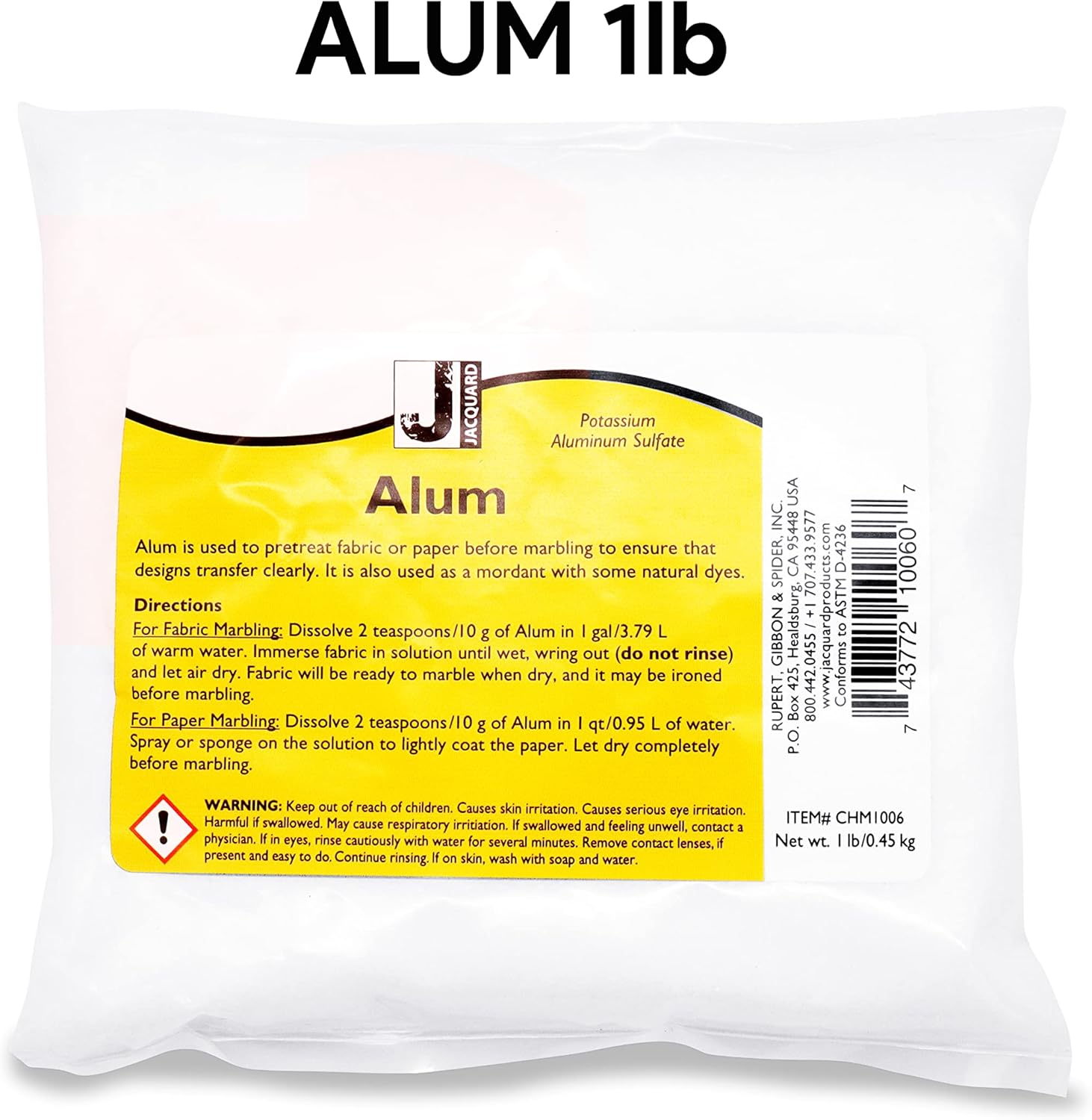
If you only buy one thing before your first natural dye session, make it a mordant. The most widely used and beginner-accessible option is alum — specifically potassium aluminum sulfate — and it works across both protein fibers (wool, silk) and cellulose fibers (cotton, linen) when used with a tannin pre-treatment. Alum is low-toxicity relative to historical alternatives like chrome or tin, and it’s the starting point recommended across Dharma Trading Co.’s natural dye documentation and PRO Chemical & Dye’s mordant FAQ alike.
Standard alum usage rates run around 10–15% WOF (weight of fiber — the standard way natural dyers express mordant quantities, meaning grams of mordant per 100 grams of dry fiber). At current pricing, potassium alum runs roughly $4–8 per pound from specialty dye suppliers, making it the most cost-effective mordant in the lineup by a significant margin.
The tradeoffs with alum:
- Works beautifully on wool and silk without pre-treatment
- Needs a tannin assist on cotton and linen (more on that below)
- Slightly dulls some reds and pinks on wool if over-mordanted — stay at or under 15% WOF
- Won’t shift color the way iron does, which is either a limitation or a feature depending on your palette goals
Iron (ferrous sulfate) is the next mordant worth adding. It’s used at much lower percentages (2–4% WOF) and serves a dual function: as a standalone mordant and as an afterbath modifier that shifts colors toward greens and grays. That shift is called “saddening” in traditional dye language. Iron is genuinely useful for depth and for warming up dull yellows into olive, but it degrades protein fibers if overused — 4% WOF is a real ceiling on wool. The Surface Design Association’s natural dyeing resources consistently flag iron overuse as one of the more common errors that causes fiber brittleness in long-term projects.
Copper sulfate rounds out a practical starter set. It pushes colors toward blue-green tones and tends to intensify greens made from plant sources. It’s more chemically hazardous than alum — requires proper disposal, not down a household drain — and runs $8–14 per pound. Interweave’s natural dyeing coverage treats copper as intermediate-to-advanced territory, and that framing is accurate: get comfortable with alum and iron first.
By the Numbers: Starter Mordant Budget
| Mordant | Typical Use Rate | Approx. Cost/lb | Cost per 100g Fiber |
|---|---|---|---|
| Potassium alum | 12% WOF | $5–8 | ~$0.10–0.15 |
| Ferrous sulfate | 3% WOF | $6–10 | ~$0.03–0.05 |
| Copper sulfate | 2–3% WOF | $8–14 | ~$0.03–0.06 |
These costs are nearly negligible per project — mordants are not where your budget goes. Buying 1 lb of each to start is a reasonable investment that will carry you through dozens of dye sessions.
Tannins: The Piece Cellulose Dyers Can’t Skip
Here’s where a lot of transitioning dyers lose money: they mordant cotton with alum and get disappointing, pale results. The problem isn’t the alum — it’s the missing tannin step. Protein fibers (wool, silk) have natural chemical sites that grip alum directly. Cellulose fibers (cotton, linen, hemp, rayon) don’t — they need a tannin pre-mordant to create those bonding sites first.
Tannin sources you can buy:
- Gallnut extract (tara tannin or oak gall): High tannin concentration, relatively neutral in color impact — the one to reach for when you don’t want the tannin itself to shift your final hue significantly
- Sumac extract: Also high tannin content, adds a slight warm tone, widely available through natural dye suppliers
- Black tea or oak bark: Lower tannin percentage than extracts, but usable if you’re working with what you have
The practical recommendation from Dharma Trading Co.’s natural dye documentation is to tannin-treat cellulose fiber before mordanting, not after. The sequence matters: tannin bath → rinse → mordant bath → rinse → dye bath. Reversing those steps produces weaker results.
Gallnut extract from PRO Chemical & Dye and similar specialty suppliers runs approximately $8–16 per pound depending on grade, and you’ll use it at roughly 8–12% WOF. For most cotton projects, a pound will last you a long time.
One practical note on tannin color shift: Black tea as a tannin source is fine for utility mordanting, but it adds a warm beige cast to light-colored dyes. If you’re trying to achieve a clear yellow from weld or a clean pink from madder, a neutral tannin like tara will serve your palette better. This is a tradeoff worth naming explicitly because it affects purchasing decisions at the extract stage.
Which Extracts to Buy Before You Forage
Foraging and growing your own dye plants is a meaningful part of natural dye practice — eventually. But foraging introduces variability: the same plant harvested in different seasons, soils, or growing conditions produces different dye yields. When you’re building foundational color intuition, starting with standardized extracts lets you understand what a mordant actually does to a known colorant before you layer in the variability of fresh plant material.
Here are the extracts that experienced natural dyers return to as reliable workhorse colorants:
Madder root extract (reds, oranges, corals): Madder (Rubia tinctorum) is one of the most historically documented dye plants in the world, and the extract form gives you consistent alizarin concentration that fresh or dried root often doesn’t. On alum-mordanted wool, madder produces warm brick reds. On iron-modified baths, it shifts toward burgundy. PRO Chemical & Dye carries standardized madder extract, and Jacquard Products documentation notes the importance of keeping dye bath temperatures below 180°F with madder — boiling degrades the red color compounds toward brown. This is the single most common madder mistake, and it’s easy to avoid if you know it going in.
Weld extract (yellows, yellow-greens): Reseda luteola is the most lightfast natural yellow source available, and lightfastness is where natural yellows historically fall apart. Weld extract on alum-mordanted fiber produces clear, warm yellows with colorfastness ratings that hold up substantially better than onion skin or chamomile. Interweave’s natural dyeing coverage consistently cites weld as the benchmark yellow for dyers who want longevity in their work.
Indigo (blues): Indigo is its own category — it doesn’t require a mordant because it works through a reduction-oxidation process rather than a dye-mordant bond. It also requires a separate vat setup. Worth mentioning here because new natural dyers sometimes try to fit indigo into a mordant-based workflow and wonder why it doesn’t adhere. Natural indigo extract (as opposed to pre-reduced indigo) is available from Dharma Trading Co. and PRO Chemical & Dye; pre-reduced indigo is the easier entry point if you haven’t built a vat before.
Logwood extract (purples, grays, blacks): Logwood (Haematoxylum campechianum) gives you purple on alum, gray to black on iron, and is one of the faster ways to achieve deep, complex neutrals in a natural palette. It’s also relatively inexpensive compared to madder or indigo — often $10–18 per pound — and a small amount goes a long way at 5–10% WOF.
What’s worth foraging versus buying? Black walnut hulls (tannin + dark brown dye, but staining hazard to skin and equipment), goldenrod (good regional yellow but lower lightfastness than weld), and onion skins (warm yellow-orange, low lightfastness) are all reasonable foraging targets once you understand what you’re working with. They’re variable and some are fugitive — meaning the color fades significantly over time — but they’re useful for learning mordant behavior without spending on extracts.
Decision Framework: Building the Setup in Stages
Here’s the practical “if X, then Y” breakdown for where to put money first:
If you’re working primarily with wool or silk: Start with alum and iron, skip the tannin purchase for now, and invest your extract budget in madder and weld. You’ll cover a warm palette with reliable lightfastness before you need to expand.
If you’re working with cotton, linen, or hemp: Buy tannin extract (tara or gallnut) before you buy dye. Spending $30 on madder extract and skipping tannin will produce disappointing results on cellulose — the mordant won’t grip. Get the tannin first, mordant second, dye third.
If you want a full spectrum immediately: Alum + iron (mordants) + tara tannin (cellulose assist) + madder + weld + logwood covers warm, cool, and neutral ranges. That’s roughly $80–140 in materials depending on quantities and sourcing, and it represents a functional starter studio. Indigo can come in a second purchase wave once you’re ready to build a separate vat setup.
If you’re on a tight first-purchase budget: A pound of alum, a half-pound of ferrous sulfate, and a quarter-pound each of madder and weld extract will cost approximately $35–55 from most specialty suppliers and give you enough material to understand what mordants actually do before you commit to a full setup.
The Surface Design Association and Interweave both frame natural dyeing as a discipline where building process intuition matters more than having every material on hand at launch. That framing holds up across our research: the dyers who get reliable, repeatable results start with a narrow palette of well-understood materials, not a wide one they can’t diagnose when something goes wrong. Buy fewer variables first. Add complexity when you know what the baseline looks like.