If you’ve ever tried to match a deep, jewel-toned red using plant or insect sources — what dyers call natural dyes, meaning colorants derived from biological material rather than synthetic chemistry — you’ve probably discovered that “red” covers a lot of ground. Natural red sources produce results that range from a warm brick-orange to a cool fuchsia-adjacent crimson, and which end of that spectrum you land on depends almost entirely on three variables: which dye source you choose, what fiber you’re dyeing (wool and silk behave differently from cotton and linen), and what mordant you use. A mordant is a metallic salt — alum is the most common — that bonds to both fiber and dye molecule simultaneously, creating a chemical bridge that locks color in and dramatically affects the final hue. Get those three variables aligned and natural reds are genuinely stunning. Get them wrong and you’ll spend a Saturday producing a muddy salmon that washes out in two launderings.
This article compares the three most practically available natural red sources — cochineal (an insect-derived dye with intense red pigment), madder root (the classic European and Middle Eastern plant dye), and red sandalwood (a wood-chip dye that works quite differently from the other two) — across protein fibers (wool, silk, alpaca) and cellulose fibers (cotton, linen, hemp). You’ll get mordant guidance, cost-per-project math, and a clear decision rule at the end.
How These Three Dyes Actually Work (And Why It Matters Before You Buy)
The three dye sources belong to different dye classes chemically, and that drives everything downstream.
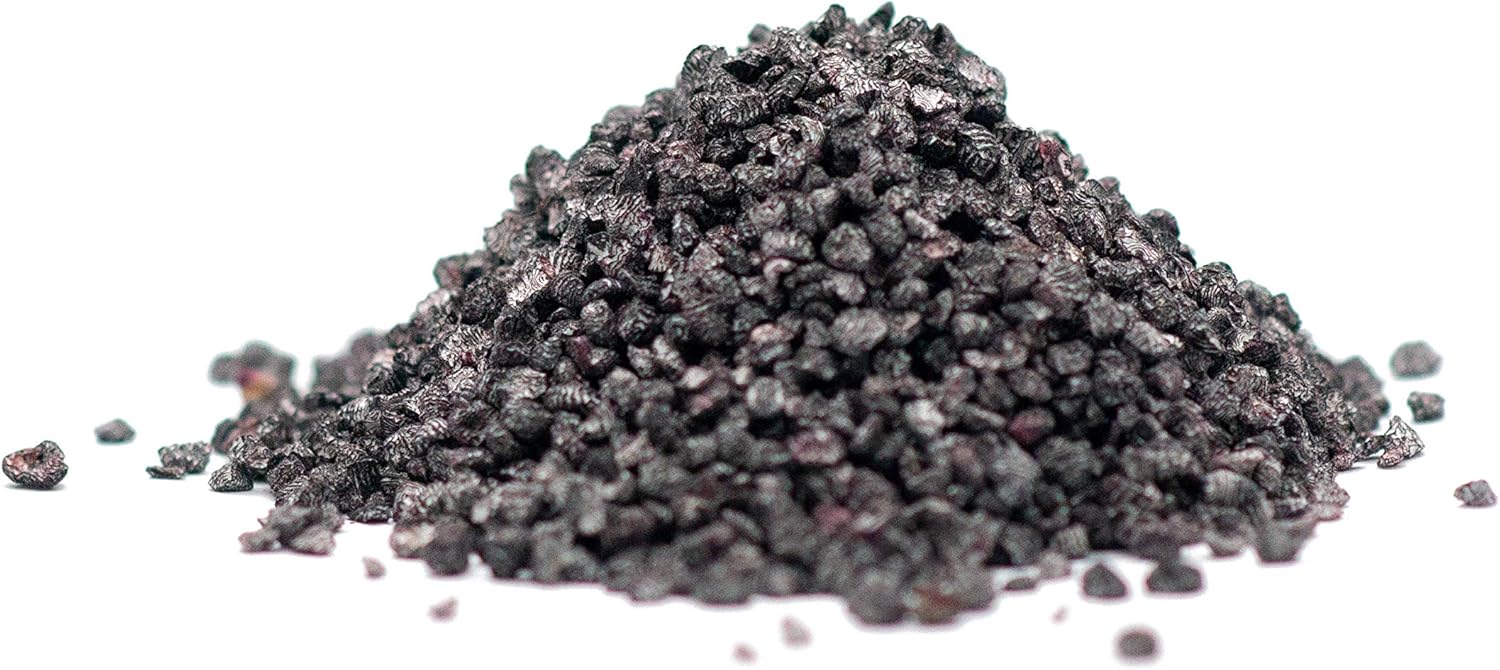
Cochineal contains carminic acid, an anthraquinone compound that bonds excellently to protein fibers when mordanted with alum. On wool mordanted with alum, it produces a vivid, slightly cool red. Shift the pH acidic (add a small amount of cream of tartar or citric acid to the bath) and the hue moves toward scarlet-orange. Shift it alkaline (a pinch of washing soda) and it moves toward violet-purple. This pH sensitivity is one of cochineal’s most useful and most demanding properties — your tap water’s mineral content can shift results batch to batch. Dharma Trading Co., in their Natural Dyes Overview and Mordant Guide, notes that cochineal is among the most lightfast natural dyes available, rating comparably to some synthetic fiber-reactive dyes on wool when properly mordanted and cured.
Madder (the root of Rubia tinctorum) contains several colorants — primarily alizarin and purpurin — that together produce a warm, orange-inflected red on alum-mordanted wool and a slightly more muted brick red on cotton. The traditional method for achieving “Turkey red” on cotton involves a multi-step tannin pre-mordant followed by alum. The Surface Design Association, in their Journal Vol. 48 on Natural Dye Colorfastness Research, documents that skipping the tannin step on cellulose fibers measurably reduces both depth of shade and wash fastness. Madder is forgiving on protein fibers; it requires more preparation infrastructure on cellulose.
Red sandalwood (Pterocarpus santalinus) is the outlier here. It contains santalin, a dye compound that is not water-soluble in the conventional sense — it requires an alcohol or alkaline extraction to release color, and even then it produces a more muted, earthy burgundy-red rather than a vivid red. It is also substantially less lightfast than cochineal or mordanted madder. Interweave, in their publication Natural Dye Basics: Mordants, Fibers, and Color Results, characterizes red sandalwood primarily as a surface color for protein fibers, producing warm results that fade relatively quickly under UV exposure. It belongs in the conversation when you want a specific aesthetic — a subdued, antique-feeling burgundy — and can accept limited colorfastness, or when you’re layering it under a more stable color as a modifier.
Fiber-by-Fiber Results: A Practical Comparison
Cochineal on Protein Fibers: The Premium Choice for Vivid Red
This is where cochineal earns its premium price. On alum-mordanted wool at 15–20% WOF (weight of fiber — the standard for expressing mordant and dye quantity relative to dry fiber weight), cochineal produces a saturated, clear red that is genuinely difficult to match with any other natural source. PRO Chemical & Dye, in their Natural Dye Technical Notes, suggest 10–15% WOF cochineal for medium depth of shade on wool, with 15–20% alum as mordant. On silk, results run slightly more luminous and pink-toned than on wool. The pH sensitivity means you should test adjustment effects on small sample skeins before committing a full batch — Interweave’s Natural Dye Basics: Mordants, Fibers, and Color Results specifically recommends this practice because water mineral content varies enough by region to produce meaningfully different baseline hues.
On cellulose fibers — cotton, linen, hemp — cochineal’s advantage narrows considerably. Even with proper tannin pre-treatment, cochineal on cotton produces paler results than on wool, often a clear pink rather than a true red, because the fiber structure offers fewer dye bonding sites for carminic acid. You can push depth of shade by increasing dye percentage to 20–25% WOF, but cost rises proportionally and you’re still working against the fiber’s chemistry.
Jacquard
$24.85
In stock on Amazon
Check price on AmazonMadder on Cellulose and Protein Fibers: The Reliable Mid-Range Workhorse
Madder on alum-mordanted wool at similar WOF percentages to cochineal produces a warmer, more orange-red. It reads as more traditionally “rustic” in finished textiles — softer-looking and less jewel-bright than cochineal. For anyone replicating historical colorways — tapestry work, historical recreation, or yarn for weaving in traditional European palettes — madder is frequently the more period-accurate choice. Jacquard Products, in their iDye Natural and Acid Dye Product Documentation, supports the established practice of keeping the madder bath below 85°C (185°F); exceeding this temperature breaks down the purpurin fraction and shifts results toward dull brown-orange.
On cellulose fibers, madder is the strongest performer of the three. Cotton’s cellulose structure doesn’t bond readily to most natural dyes without a tannin pre-treatment that adds tannic acid binding sites, followed by alum mordanting. Done properly, madder on tannin-pretreated, alum-mordanted cotton produces a satisfying warm red — not the vivid scarlet of cochineal on wool, but genuinely colorfast and washable. Dharma Trading Co.’s Natural Dyes Overview and Mordant Guide recommends sumac or oak gall tannin for cotton pre-treatment, with 15–20% WOF alum mordant following. The Surface Design Association’s Journal Vol. 48 on Natural Dye Colorfastness Research documents tannin-skipped cellulose samples losing 40–60% of initial depth of shade after 10 standard wash cycles — a finding that makes the tannin step non-negotiable for serious production work.
Cochineal
$17.95
In stock on Amazon
Check price on AmazonRed Sandalwood: The Budget-Accessible Specialty Option
Red sandalwood on protein fibers produces acceptable results but requires the extraction workaround — typically simmering chips in isopropyl alcohol or a strong alkaline solution first, then adding to the dye bath. The results read as a warm, slightly grayed burgundy. On silk it can be quite beautiful in a muted-luxury way. Lightfastness is the consistent limiting factor; red sandalwood fades noticeably within 12–18 months of regular wear or display in ambient light, a limitation documented in Interweave’s Natural Dye Basics: Mordants, Fibers, and Color Results and consistent across practitioner literature from Fiberarts magazine’s coverage of natural dye colorfastness testing.
On cellulose fibers, red sandalwood is generally not recommended as a primary color source. Extraction is more difficult, take-up is low, and the lightfastness issues that are already a limitation on protein fibers are compounded on cotton and linen. The use case for red sandalwood is specific and honest: small batches of protein-fiber work where a muted, antique-toned burgundy is the target aesthetic and display conditions limit UV exposure. Within that use case it costs less per project than either alternative.
Jacquard
$13.93
In stock on Amazon
Check price on AmazonBy the Numbers: Cost-Per-Project Comparison (100g Dry Fiber, Medium Depth of Shade)
| Dye Source | Typical Price (mid-2026) | WOF % Needed | Dye Cost for 100g Project | |
|---|---|---|---|---|
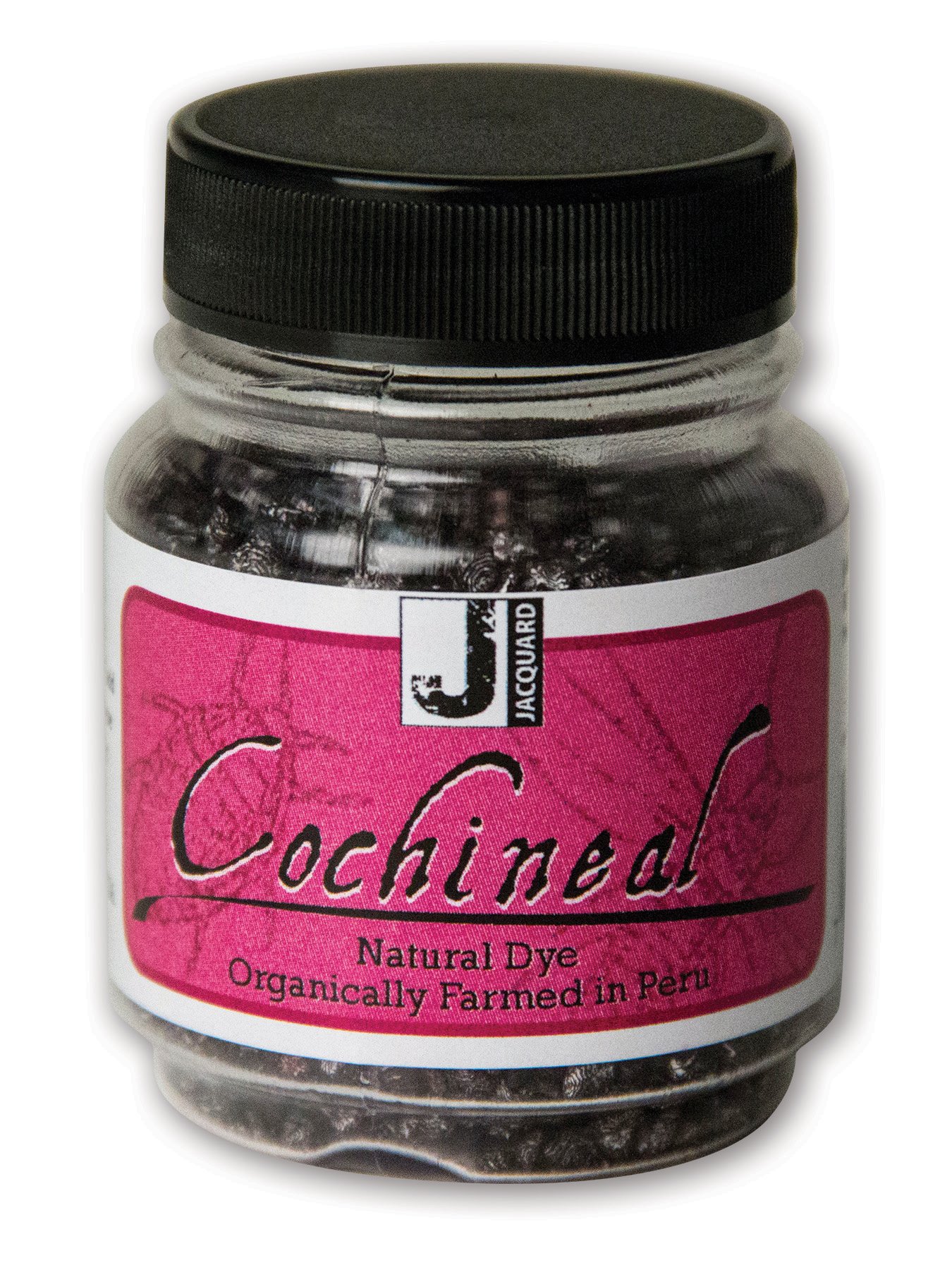
| Cochineal powder | $28–$40 / 100g | 10–15% (wool) | ~$4–$6 | <a class="product-link" href="https://www.amazon.com/dp/B00GJRSDMK?tag=greenflower20-20" rel="sponsored nofollow noopener" target="_blank" title="Affiliate link — we may earn a commission.">Jacquard — $24.85</a> |
| Madder root (whole/ground) | $8–$15 / 100g | 20–30% | ~$2–$4.50 | <a class="product-link" href="https://www.amazon.com/dp/B08P9MQDRC?tag=greenflower20-20" rel="sponsored nofollow noopener" target="_blank" title="Affiliate link — we may earn a commission.">Cochineal — $17.95</a> |
| Red sandalwood chips | $6–$12 / 100g | 30–50%+ | ~$2–$6 | <a class="product-link" href="https://www.amazon.com/dp/B0009IN1FY?tag=greenflower20-20" rel="sponsored nofollow noopener" target="_blank" title="Affiliate link — we may earn a commission.">Jacquard — $13.93</a> |
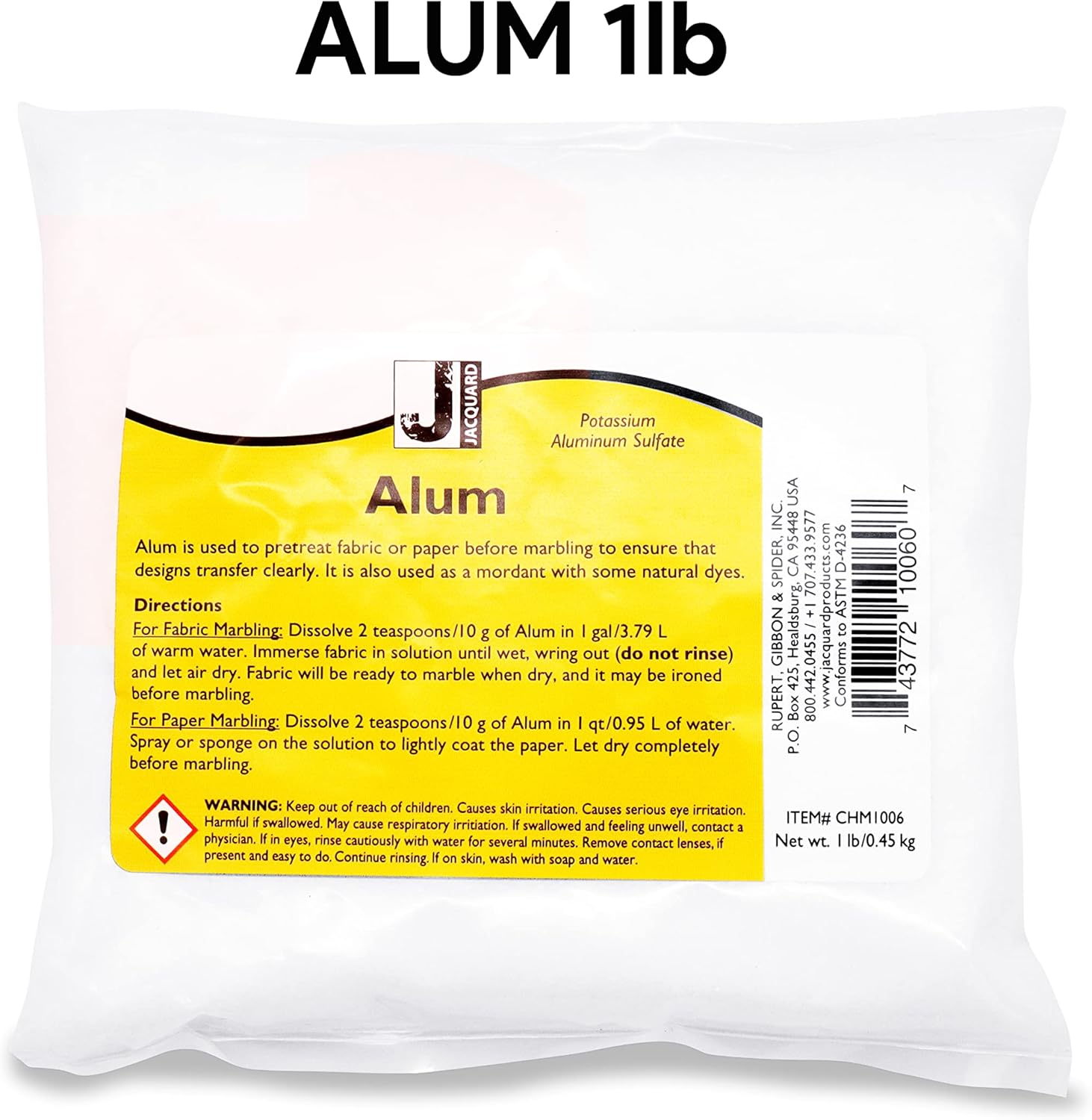
Mordant cost (alum at approximately $4–$8/lb from most suppliers) adds roughly $0.50–$1.00 per 100g project regardless of dye choice. Tannin pre-treatment for cellulose adds another $0.50–$1.50 depending on tannin source.
Cochineal’s per-ounce cost is the highest, but because it dyes at lower WOF percentages on protein fibers, the per-project cost advantage over madder is smaller than the sticker price suggests. Where cochineal becomes genuinely expensive is in bulk cellulose work — high WOF requirements combined with a premium price per gram make madder the obvious cost choice for production-scale cotton dyeing. Red sandalwood’s chip price is the lowest, but the high WOF requirements and extraction overhead partially close that gap, and the lightfastness limitation means you may be re-dyeing goods that cochineal or madder would have held through years of use.
Mordant Variables That Change Everything
If there’s a single principle worth internalizing before purchasing any of these dyes, it’s this: your mordant choice is as important as your dye choice.
- Alum (potassium aluminum sulfate) is the baseline for all three dyes. It produces the clearest, brightest results and is the least toxic common mordant. Dharma Trading Co.’s Natural Dyes Overview and Mordant Guide lists alum as the recommended starting mordant for all beginner natural dye work precisely because its safety profile and result quality are both favorable.
- Iron mordant (ferrous sulfate) shifts all three reds toward darker, grayer, more muted values — a technique called “saddening.” On madder, iron produces a deep brownish-red. On cochineal, it moves toward purple-gray. Use at 2–4% WOF maximum; higher concentrations damage fiber.
- Tin mordant (stannous chloride) brightens cochineal toward a vivid orange-scarlet and is historically associated with high-chroma red processes. Tin presents more environmental considerations in wastewater disposal — worth noting if you’re operating under a sustainability constraint.
- Tannin pre-mordant on cellulose (sumac, oak gall, or black tea) is a prerequisite, not an optional step. The Surface Design Association’s Journal Vol. 48 on Natural Dye Colorfastness Research is clear on this: tannin-skipped cellulose samples show significant depth-of-shade loss after standard wash cycling, regardless of which red dye source is used.
PRO Chemical & Dye’s Natural Dye Technical Notes recommend keeping separate mordant baths rather than combining mordant steps with the dye bath, particularly for madder, where temperature control in the mordant phase affects how cleanly the alum bonds before the alizarin and purpurin are introduced.
Decision Rules: Which Natural Red Is Right for Your Project?
Here’s the direct version, because the comparison only matters insofar as it helps you decide:
If you’re dyeing protein fibers (wool, silk) and want the most vivid, lightfast red available from natural sources: Cochineal with alum mordant is the clear answer. Accept the per-gram premium — you’re using less of it than madder, and the color quality is in a genuinely different tier. Manage pH deliberately with small sample skeins before committing a full batch.
If you’re dyeing cotton or linen at any scale and want a reliable, repeatable warm red: Madder with tannin pre-treatment and alum mordant. The infrastructure investment — the tannin step adds process time — is real, but the cost efficiency at production scale and the colorfastness are both solid. Don’t try to shortcut cochineal on cotton as a simpler alternative — the chemistry works against you.
If you’re producing small batches of protein-fiber goods where historical or artisanal palette authenticity matters more than maximum saturation: Madder is also a valid choice here. Its warm orange-red reads differently enough from cochineal that they’re not substitutes — they’re distinct colorways, each with their own visual logic.
If you want a muted, antique-toned burgundy on silk or wool for decorative or display work where long-term UV exposure is limited: Red sandalwood can produce a genuinely beautiful result and costs less per project than either alternative. Go in knowing the lightfastness limitation is real and non-negotiable. This is a use case with honest value, not a compromise.
If you’re building out a natural dye studio and can only stock two of the three: Cochineal and madder cover the full spectrum of use cases between protein and cellulose fibers. Red sandalwood is a specialty addition, not a core tool.
One sourcing note worth flagging: cochineal supply and pricing have seen periodic volatility tied to harvest conditions in the primary production regions. Building a small buffer stock when prices are stable is reasonable if you’re producing repeatable colorways across a seasonal collection. Madder root is more broadly available and less price-volatile; both Dharma Trading Co. and PRO Chemical & Dye maintain consistent domestic stock. Interweave’s Natural Dye Basics: Mordants, Fibers, and Color Results recommends madder as the first natural red a new dyer should attempt, and that recommendation holds — the margin for error is wider, the cost of a failed batch is lower, and the color you get on a first honest attempt is something worth building on.
Natural reds take more process steps than synthetic fiber-reactive dyes, and the results have a different visual quality — warmer, more complex, inherently variable batch to batch. Whether that’s a feature or a limitation depends entirely on what you’re making and who you’re making it for.